In Defense of a Little Boredom
Why winter—and midlife—are asking us to stop scrolling and start listening
Here in the heart of winter, I’ve found myself drifting into nostalgia.
An upcoming high school reunion will do that to a woman. Suddenly I’m remembering hair and clothing styles, adolescence in all its awkward glory—and the sheer simplicity of the world we grew up in. Five television stations on a good day—if the aluminum foil was wrapped just right around the TV antenna. Cassette tape recording of THAT SONG from the radio station. And in between? Long stretches of nothing much happening.
And here’s the thing that’s been tugging at me lately: we were bored then. Regularly. Profoundly. And somehow… we survived.
More than that—we daydreamed. We wandered. We stared out windows. We learned how to be alone with our thoughts.
Contrast that with now.
So many women I talk with—friends, clients, readers—describe feeling overstimulated yet undernourished. Busy but oddly empty. Connected yet lonely. Restless, irritable, edgy. We scroll and swipe and shop, not because we’re shallow or weak, but because our brains are doing exactly what they’ve been trained to do.

The dopamine trap (and why boredom feels so hard)
The brain is exquisitely adaptable. It learns fast.
Every ping, notification, scroll, and swipe delivers a tiny hit of dopamine—the feel-good chemical released with novelty. Over time, the brain begins to expect that steady stream. Once that habit forms, our sensitivity to ordinary, quieter stimuli drops.
Silence feels uncomfortable. Stillness feels itchy. Boredom feels almost intolerable.
So we reach—again and again—for our phones. Not because they nourish us, but because they temporarily soothe an overworked nervous system.
Here’s the irony: the very state we’re trying to avoid—boredom—is the state our brains are actually wired for.

Winter minds, wandering thoughts, and the wisdom of preparation
From a seasonal perspective, this makes perfect sense.
Winter is the season of the Crone—the wise woman who tends foundations rather than appearances. It’s the season designed for mental drifting, slower rhythms, and fewer inputs. When we allow our minds to wander—without an external task to focus on—the brain naturally shifts into its default mode network.
This is not wasted time.
This is where:
memories are processed
emotions are integrated
insight emerges
creativity is born
dreams quietly take shape
And here’s a crucial piece of well-seasoned wisdom: living fully into the current season is what prepares us to live more freely into the next one.
Winter done well is not an end—it’s a beginning.

Why boredom is essential for springtime courage
This is something I see again and again in my work.
When a woman tells me she feels stuck—unable to take risks, try something new, or move toward what lights her up (all classic springtime work)—it’s often not because she lacks clarity or courage.
It’s because she never allowed herself to winter well.
She kept pushing. Producing. Staying stimulated. She skipped the deep rest. The mental quiet. The spaciousness needed to reflect and dream.
But dreaming is not frivolous.
Daydreaming is not indulgent.
When you allow yourself to imagine something different—without immediately needing to act on it—you are laying neurological and emotional groundwork. You’re rehearsing possibility. You’re strengthening the inner pathways that make action feel safe when the time comes.
Boredom creates the space where vision forms.
Vision is what makes aligned action possible.
Without winter, spring feels risky and overwhelming.
With winter, spring feels inevitable.

Boredom doesn’t kill motivation—it restores it
Here’s the hopeful truth: when we allow real rest—mental rest included—the brain eventually generates its own motivation. Not the twitchy, compulsive kind that reaches for a phone, but the grounded, forward-moving kind that aligns with what actually matters.
Boredom → space
Space → clarity
Clarity → courageous action
This is what it means to winter well—to cooperate with the ancient cycle that supports real connection, meaningful work, and sustained vitality.

A midlife reset practice: inviting intentional boredom
So what’s a well-seasoned woman to do when she realizes she’s come to the end of yet another doom-scroll session? Another influencer-driven shopping spree? Another evening of channel surfing that somehow leaves her more tired than before?
First—gentleness. This isn’t a moral failing. It’s wiring.
Then—choice.
Here are a few simple ways to invite intentional boredom back into your life, especially in this winter season:
Screen-free outdoor time
Sit in the garden. Walk the block. Stand on the patio. No podcast. No photos. Just weather, breath, movement.Window-gazing breaks
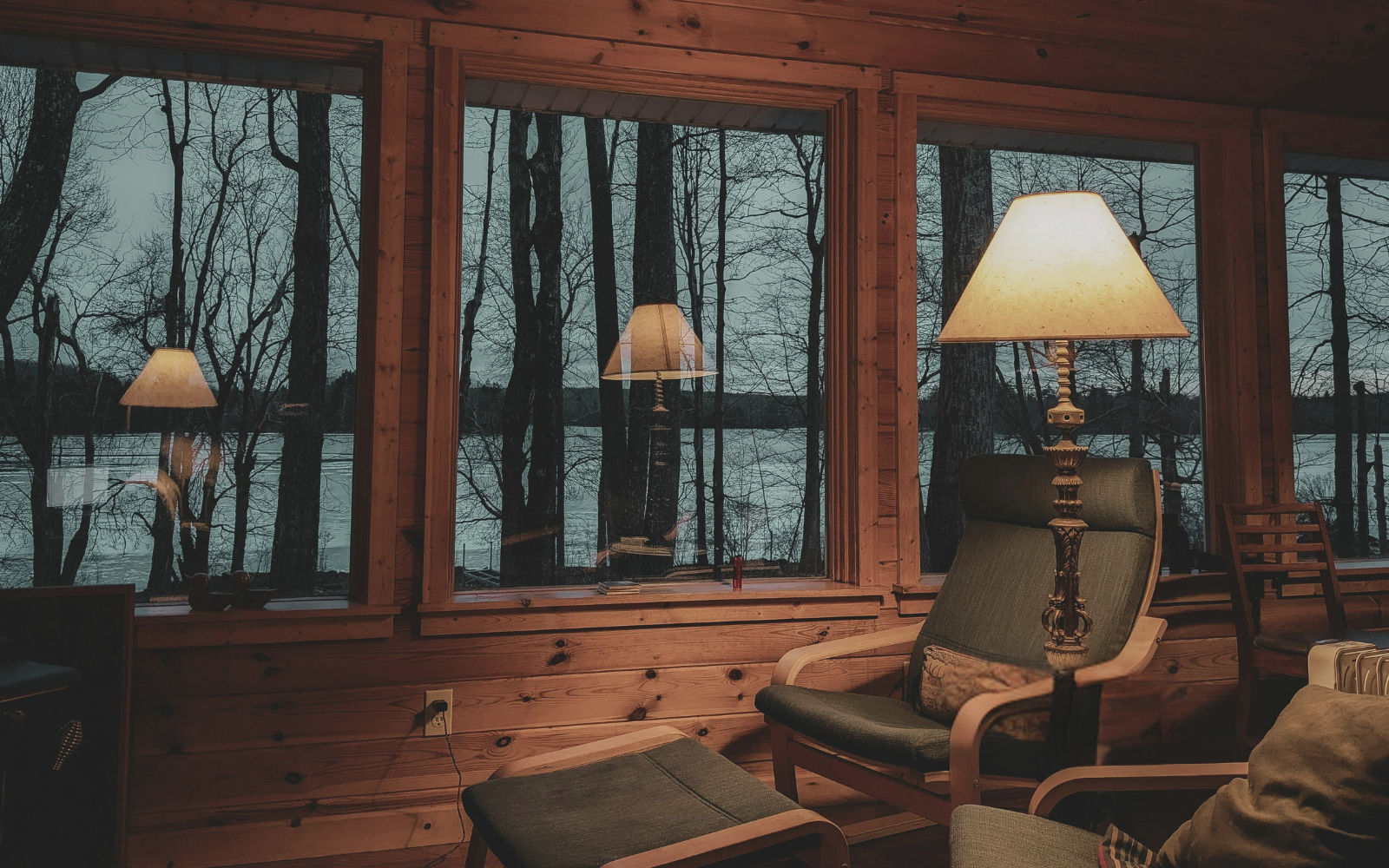
Watch clouds drift. Notice birds. Track raindrops sliding down the glass. Let your eyes soften and your thoughts roam.Single-task chores
Chop vegetables. Fold laundry. Sweep the stairs—without music, audiobooks, or TV running in the background.Uninterrupted connection
Share a cup of coffee or a meal without a phone or smartwatch tugging at your attention. Let conversation unfold naturally.
Five minutes, ten minutes count. A whole unplugged morning or afternoon or weekend count. The brain responds quickly when given the chance.
Why this matters—especially now
Midlife isn’t asking us to speed up or optimize harder. It’s inviting us into discernment. Into depth. Into a wiser relationship with time and attention.
Defending boredom is really about defending your inner authority.
It’s about befriending your wiring, trusting the season you’re in, and allowing winter to do its quiet, preparatory work—so that when spring arrives, you’re ready to move with clarity, confidence, and joy.
If this way of living resonates, it’s woven throughout A Well-Seasoned Woman’s Field Guide & Journal, where seasonal wisdom, neuroscience, and reflective practice come together in grounded, compassionate ways.
And if you’re feeling the nudge to explore this more personally—to rest well now so you can rise well later—I’d love to walk alongside you in a one-on-one session.
Pull up a chair.
Let yourself be bored.
You’re not falling behind—you’re preparing for what’s next.